
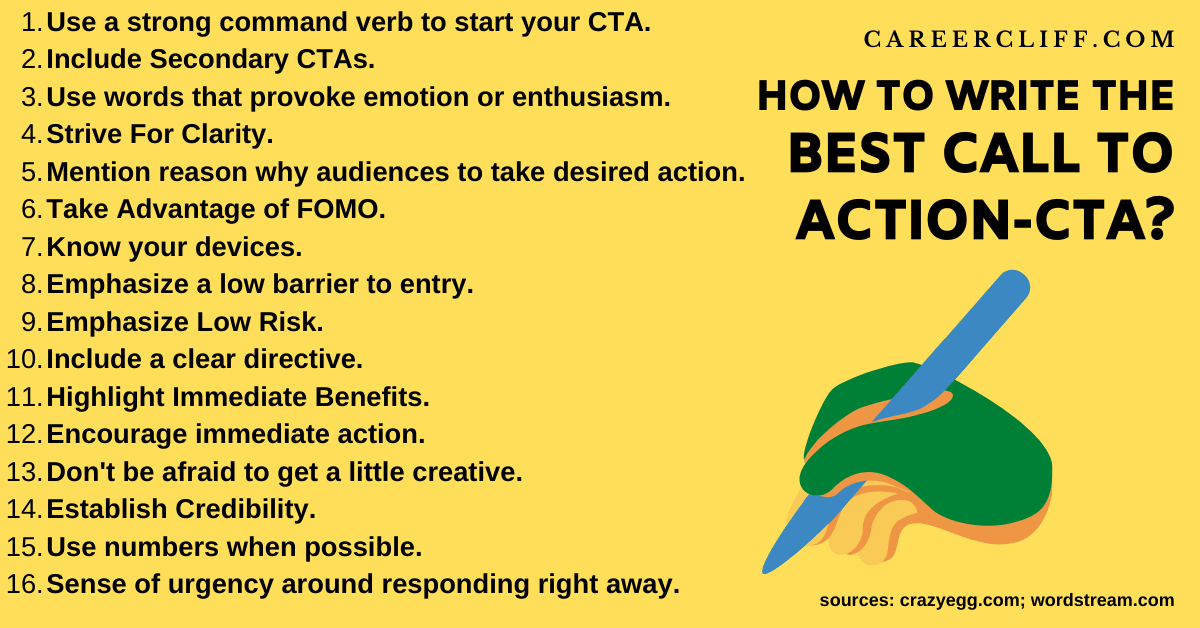
Crafting an effective call to action (CTA) is akin to summoning the Pied Piper of Hamelin to lead potential clients straight to your doorstep. Picture this: your website, a bustling marketplace teeming with eager customers, yet they remain hesitant to venture forth and engage with your offerings. Is it due to a lack of allure in your call to action, that seemingly innocuous prompt urging action? The answer lies not in the dullness of your enterprise but in the potency of your CTA.
Statistics, those modern-day oracles, proclaim the transformative power of a well-crafted CTA. A mere addition of a CTA button led to a tripling of click-through rates on the venerable Facebook platform, as reported by AdRoll. Thus, the gospel is clear: CTAs wield considerable influence, their words akin to magic spells beckoning forth the desired outcomes. Mediocrity has no place in this realm; mere utterances of “click here” are akin to whispering in the roaring winds of indifference.
How to make the best call to action
Remember, dear marketer, that in the cacophony of digital discourse, it is not the loudest voice that prevails but rather the most persuasive. So let your CTAs be not mere whispers lost in the ether but rather clarion calls that echo through the annals of cyberspace, beckoning forth the titans of industry to heed your command. Here’s the best way to write them properly:
1. Enhance Your Message with “Power Words”
In the realm of effective communication, the right choice of words can significantly amplify the impact of your message. Incorporating “power words” into your language can infuse your communication with persuasive force and captivate your audience’s attention. Here’s how you can harness the potency of power words across different categories:
Cause and Effect: By incorporating words like “since” and “because,” you establish a logical connection that enhances the persuasiveness of your message. For instance, “Join our exclusive webinar since it offers invaluable insights” underscores the rationale behind your invitation.
Exclusivity and Scarcity: Invoke a sense of exclusivity and scarcity by using phrases like “Become an insider” or “Limited spots available.” This creates a perception of high value and urgency, compelling your audience to take action promptly.
Safety and Assurance: Instill confidence and trust in your audience by incorporating words like “certified,” “official,” or “100% refund.” Such assurances alleviate concerns and reassure your audience of the reliability and authenticity of your offering.
Power and Benefit: Utilize words like “best,” “win,” “extra,” or “free” to highlight the inherent value and benefits of your proposition. These power words underscore the appeal of your offer, enticing your audience to seize the opportunity without hesitation.
Avoid Flat and Passive Language: Steer clear of bland or passive language that fails to ignite interest or prompt action. Instead of generic phrases like “Click here to sign up,” opt for more dynamic and engaging alternatives such as “Reserve my seat today” to convey a sense of immediacy and importance.
2. Enliven Your Call to Action with Dynamic Verbs
Crafting a compelling call to action begins with selecting verbs that command attention and prompt action. Rather than settling for mundane or generic choices, opt for dynamic verbs that resonate with your audience’s desires and motivations. Here’s how you can infuse vigor into your calls to action with stronger verbs:
Choose Striking Verbs: Start your call to action with powerful and evocative verbs such as “buy,” “shop,” “order,” “explore,” or “discover.” These verbs convey a sense of action and excitement, compelling your audience to engage with your proposition eagerly.
Focus on Audience Benefits: Consider what your audience stands to gain from interacting with your call to action. Will they receive exclusive offers, access to valuable content, or the opportunity to download useful resources? Tailor your choice of verbs to highlight the benefits and rewards awaiting your audience.
Avoid Flat Verbs: Steer clear of uninspiring or lackluster verbs like “click” that fail to convey the value or appeal of your call to action. Instead, opt for verbs that resonate with your audience’s aspirations and interests, igniting their curiosity and prompting them to take action.
Start with a Verb: Ensure that your call to action begins with a strong and clear verb that leaves no room for ambiguity. Starting with a verb sets the tone for action and signals to your audience that something is exciting and worthwhile waiting for them on the other side.
3. Engage Your Audience with First-Person Language
When crafting your call to action, consider adopting a first-person perspective to establish a more personal connection with your audience. By using “I” or “my” in your CTAs, you can create a sense of ownership and urgency, encouraging your visitors to take immediate action. Here’s how you can leverage first-person language effectively:
Create a Personal Connection: Address your audience directly by speaking to them as individuals. Use phrases like “Reserve my seat today” or “Get my free report” to make the call to action feel more personal and compelling.
Empower Your Audience: By framing the action as something they can do for themselves (“Give me my free report”), you empower your audience to take control and claim their reward or benefit. This approach taps into their desire for autonomy and immediate gratification.
Invoke a Sense of Urgency: First-person language can also enhance the sense of urgency in your call to action. By using words like “my” or “me,” you convey a sense of immediacy, prompting your audience to act quickly to secure their spot or claim their offer.
Align with Internal Dialogue: Most people think in the singular first person, so using first-person language in your CTAs mirrors your audience’s internal monologue. This alignment makes your call to action feel more natural and intuitive, increasing the likelihood of conversion.
4. Highlight Security and Low Risk for a Trustworthy CTA
Incorporating elements of security and low risk into your call to action can be instrumental in alleviating your audience’s concerns and encouraging them to take the next step. Here’s how you can emphasize security and reduce risk in your CTAs:
Use Reassuring Language: Incorporate words that evoke a sense of safety and reliability, such as “certified,” “official,” “guaranteed,” and “refund.” These terms can help instill confidence in your audience and reassure them that their investment is protected.
Highlight Guarantees: If your product or service comes with any guarantees or warranties, make sure to mention them prominently in your call to action. Phrases like “100% satisfaction guaranteed” or “money-back guarantee” can help mitigate perceived risk and encourage conversion.
Offer Free Trials or Samples: If applicable, consider offering a free trial or sample of your product to allow potential customers to experience its value firsthand before making a purchase. This demonstrates confidence in your offering and reduces the barrier to entry for hesitant buyers.
Showcase Social Proof: Incorporate testimonials, reviews, or case studies that highlight positive experiences from satisfied customers. This social proof serves as evidence of your reliability and can help alleviate concerns about making a purchase.
Provide Secure Payment Options: If your call to action involves a financial transaction, ensure that you emphasize the security of your payment process. Mention secure payment gateways, encryption protocols, and any other measures you have in place to protect customer data.
5. Craft a Compelling Narrative for Your CTA
A captivating call to action (CTA) should seamlessly integrate into the overarching narrative of your brand and effectively guide your audience toward the desired action. Here’s how you can tell a compelling story with your CTA:
Identify Customer Needs: Understand the underlying needs and desires of your target audience. What problems are they seeking to solve, and what solutions are they looking for? By empathizing with your customers’ challenges, you can tailor your messaging to resonate with their specific needs.
Present Your Solution: Highlight how your product or service addresses the needs identified by your audience. Clearly articulate the value proposition of your offering and explain why you are uniquely positioned to provide the solution they are seeking. Use persuasive language and compelling visuals to capture attention and generate interest.
Create a Sense of Urgency: Incorporate elements of urgency or scarcity into your CTA to motivate immediate action. Phrases like “Limited time offer” or “Act now” can create a sense of FOMO (fear of missing out) and encourage your audience to take action before it’s too late. Motivation – Mind – Success – Thinking – Productivity – Happiness
Provide Social Proof: Share testimonials, case studies, or success stories that demonstrate the positive impact your product or service has had on previous customers. This social proof adds credibility to your brand and builds trust with potential customers, making them more likely to follow your CTA.
Guide the Customer Journey: Ensure that your CTA is seamlessly integrated into the overall customer journey on your website. Whether it’s a button, banner, or pop-up, make sure it stands out visually and is placed strategically within your content to capture attention at the right moment.
Making Calls to Action Work
Calls to action might be fickle. What works for one site may not work for the subsequent. Don’t be afraid to experiment with a number of the best calls to action. Running A/B checks on touchdown pages is not going to solely provide you with insights into what works however solutions to that deeper query: what it’s that your guests are after. Once you understand that, you’ll know the best way to write the best call to action or CTA that offers it to them.
More Interesting Articles
- 8 Ways On How to Forgive Yourself for Something Terrible
- 10 Tips on How to Forgive Yourself for Being Toxic
- 14 Ways on How to Let Go When Someone Won’t Forgive You
- 15 Steps On How to Tell Someone You Forgive Them
- 13 Hacks on How to Forgive Someone You Hate
- 18 Tips on How to Increase Tolerance in Work and Life
- 25 Hacks on How to Listen Effectively Everyday Everywhere
- 24 Practical Tips on How to Practice Patience Everyday
- 10 Recoveries When It’s About How Hard You Can Get Hit
- 9 Hacks on How to Move Forward in A Relationship
- 13 Career Growth Opportunities for Aspirant Professionals
- 10 Hacks on How to Let Go of the Past and Move Forward
- 14 Tips on How to Motivate Others As A Leader
- MBO Management by Objectives – Features | Benefits | Limitations
- Best Time to Send Business Email – Get Opened and Read
- Planning Organizing Leading Controlling | P-O-L-C Framework
- 5 Steps of Training – Advantages | Principles | Policy | Needs
- 21 Tips on Great Marketing Content Creation for Business
- 7 Features to Define Creditworthiness in Business
- 10 Important Questions to Ask A Business Owner