Post Views: 1,026
Last Updated on: May 5, 2024
Pursuing a career as a personal trainer transcends the realm of employment; it’s a lifestyle dedicated to empowering others to thrive physically, mentally, and emotionally. It’s a journey marked by continuous learning, growth, and a steadfast commitment to making a positive difference in the lives of others through fitness and wellness guidance. In this article, I will talk about How to Become A Personal Trainer.
A Path of Transformation
Embarking on a career as a personal trainer is not merely a vocational choice; it’s a transformative odyssey, rich with challenges and triumphs. This pursuit is a call to those impassioned by fitness, beckoning them to traverse a path marked by dedication and resilience. It’s a journey that transcends the mundane quest for financial gain, delving deep into the realm of personal fulfillment derived from aiding others in achieving their wellness aspirations. At its core, this journey commences with introspection—a profound exploration of one’s innermost motivations, values, and aspirations. It necessitates individuals to probe into the depths of their being, unraveling the intricate threads that bind them to the realm of fitness.
The Essence of Purpose
For aspiring personal trainers, the journey unfolds like a tapestry woven with threads of purpose and determination. It’s a voyage characterized by deliberate actions—educational pursuits, hands-on experiences, and continuous self-improvement endeavors. This expedition demands not only unwavering resolve but also adaptability in the face of adversity. Every challenge encountered becomes an opportunity for growth, and every setback a lesson in resilience.
As they navigate the labyrinth of learning, aspiring trainers delve into the complexities of exercise physiology and hone their coaching acumen through real-world interactions. Each experience, whether triumphant or fraught with difficulty, contributes to their evolution as competent and compassionate professionals. Amidst the ebb and flow of this journey, they unearth not only the depths of their own capabilities but also the profound impact they can wield in the lives of those they serve.
Embracing Growth and Adaptation
Becoming a personal trainer is akin to embarking on an endless journey, where growth, adaptation, and learning are the constant companions. The landscape of fitness is in perpetual flux, with new trends emerging, scientific breakthroughs unfolding, and client preferences evolving. Thus, the role of a personal trainer is anything but static; it demands an unwavering commitment to staying informed, remaining curious, and embracing humility in the face of evolving challenges. This journey of continuous evolution encompasses both professional development and personal enrichment, intertwining the two in a harmonious dance of progress.
Professional Advancement and Knowledge Integration
On the professional front, personal trainers are relentless seekers of knowledge and expertise. They actively pursue avenues for further education, whether through advanced certifications, specialized workshops, or attendance at industry-leading conferences. By doing so, they ensure that their skill set remains finely honed and up-to-date, enabling them to provide the highest quality service to their clients. Additionally, they diligently monitor emerging research in exercise science and nutrition, eagerly integrating newfound insights into their practice. This synthesis of theory and application not only enriches their own understanding but also enhances the efficacy of their training methodologies.
Cultivating Personal Attributes
Simultaneously, the journey of a personal trainer involves profound personal growth. It is a process of introspection, wherein trainers strive to cultivate virtues such as resilience, adaptability, and self-awareness. They confront their own biases and limitations head-on, endeavoring to transcend them and become more inclusive, empathetic practitioners. Moreover, they embrace failure not as a setback but as a valuable opportunity for reflection and refinement. Each stumbling block becomes a stepping stone, propelling them further along the path of self-improvement.
Leaving a Lasting Impact
This commitment to continuous evolution ensures that personal trainers remain at the vanguard of their field, perpetually equipped to meet the dynamic needs of their clients and the broader fitness community. As they evolve, so too do the lives they touch, leaving an indelible legacy of health, vitality, and empowerment in their wake. It is through their tireless dedication to growth and adaptation that they forge a profound impact on the well-being of others, creating a ripple effect of positive change that extends far beyond the confines of the gym.
What Is a Personal Trainer?
In quick, a personal health trainer is a professional health skilled that works with every kind of people, known as shoppers, to assist them to obtain their well being and health targets.
There are a lot of reasons why people select this profession, but when it is all concerning the personal trainer wage you’ll find that it may possibly fluctuate wildly based on your capacity and experience and the competitors in your space.
The journey to becoming a certified personal trainer can be challenging but rewarding. It’s essential to know the requirements for specific certifications and what you can expect. This guide will cover topics like selecting the right certification, registering and insuring your business, working as a gym employee or freelancer trainer, and marketing your business. If you’re passionate about fitness and enjoy serving others, personal training could be an excellent career path. If you have a curiosity in health, well-being, and fitness, consider turning your passion into a career. Here are seven suggestions for becoming a personal trainer:
1. Choose a certification that aligns with your skills and interests.
2. Register and insure your business.
3. Prepare for the challenges of being a gym employee or freelancer trainer.
4. Market your business effectively.
5. Stay motivated and dedicated to your career.
Cultivating Mastery and Compassion
The essence of a personal trainer’s role encapsulates a delicate balance between mastering technical skills and nurturing a deep sense of compassion. While proficiency in the mechanics of fitness programming and safety protocols forms the bedrock of their expertise, it is the cultivation of empathy that elevates their practice to a realm of profound impact.
Empathy, the capacity to comprehend and resonate with another’s emotions, serves as the cornerstone of forging genuine connections with clients and guiding them through their fitness odysseys. This profound quality entails more than mere sympathy—it entails active engagement, heartfelt understanding, and a genuine readiness to embrace clients at their unique junctures, both physically and emotionally.
Unraveling Client Individuality
Every client that walks through the door presents a narrative distinct unto themselves—an amalgamation of aspirations, hurdles, and intrinsic drivers. A seasoned personal trainer perceives each interaction as an opportunity for discovery, a chance to delve into the depths of their clients’ aspirations and understand the underlying significance.
They approach their clientele with an insatiable curiosity and an unwavering willingness to listen intently, deciphering not just the ‘what’ of their objectives but the profound ‘why’ that propels them forward. This profound insight becomes the compass that guides their every intervention, enabling them to tailor their guidance and encouragement to the idiosyncratic needs of each individual, thereby fostering a culture of trust and partnership.
Fostering Trust and Collaboration
Within the crucible of the gymnasium, empathy becomes the invisible thread that weaves together the fabric of trust and collaboration. It transcends the mere exchange of exercises and nutritional advice, infusing every facet of the trainer-client dynamic with a profound sense of understanding and mutual respect. From the nuanced art of communication to the rigors of mutual accountability, empathy serves as the linchpin that fortifies the bonds between trainer and trainee, empowering clients to navigate the labyrinth of their fitness pursuits with confidence and resolve.
In this symbiotic relationship, the client is not merely a recipient of instructions but an active participant in the co-creation of their transformative journey—an essential prerequisite for sustainable progress and enduring triumphs.
The Path to Becoming a Personal Trainer
Embarking on the journey to become a personal trainer entails more than just a desire for a career; it involves a deep-seated commitment to positively impacting the lives of others through fitness and wellness guidance. This profession, revered for its potential to foster holistic well-being, demands a multifaceted approach characterized by a blend of qualifications, achievements, and personal dedication.
Cultivating the Desire to Help Others
At the heart of pursuing a career as a personal trainer lies an earnest aspiration to assist others in realizing their fitness aspirations. It’s a calling that beckons individuals to channel their passion for health and wellness into a purposeful endeavor aimed at empowering others to achieve their fitness goals.
Building a Foundation of Knowledge and Expertise
To embark on this journey, aspiring personal trainers must first lay a solid foundation of knowledge and expertise. This entails undertaking comprehensive studies in disciplines such as exercise science, physiology, and nutrition. These educational pursuits provide a nuanced understanding of the human body and its physiological responses to physical exertion.
Obtaining Accredited Certifications
In addition to formal education, acquiring certifications from reputable organizations serves as a testament to one’s expertise and competency in the field. These certifications, tailored to various aspects of fitness training, validate a trainer’s proficiency in designing and implementing effective workout regimens tailored to diverse clientele.
Immersing Oneself in Practical Experiences
Beyond the classroom, aspiring trainers are encouraged to immerse themselves in practical experiences through internships, apprenticeships, or volunteer opportunities. These hands-on endeavors serve as invaluable learning opportunities, allowing trainers to refine their skills, adapt to diverse client needs, and cultivate essential qualities such as empathy and adaptability.
Embracing a Lifelong Journey of Growth
Becoming a personal trainer is not merely about accumulating qualifications; it’s about embracing a lifelong journey of growth and development. This entails staying abreast of the latest research, trends, and innovations in the fitness industry, as well as continually refining one’s skills and techniques to better serve clients.
Fostering a Culture of Empathy and Support
Ultimately, success as a personal trainer hinges not only on technical expertise but also on the ability to foster meaningful connections with clients. It’s about embodying qualities of empathy, communication, and support, and serving as a source of inspiration and motivation for individuals striving to enhance their physical, mental, and emotional well-being.
How to Become A Personal Trainer Step By Step
There are a lot of skills you will have to be an efficient personal trainer. Here now we have tried to checklist some, however not all, of the core skills. However, normally, you additionally must be the right kind of individual – take a look at our separate article on the kind of individual that makes a personal trainer.
1. Acquiring Knowledge and a Hunger for Continued Learning
The cornerstone of effective personal training lies in the amalgamation of robust knowledge and an insatiable thirst for perpetual learning. Distinguishing what methodologies will yield optimal results for one client over another necessitates a profound comprehension of health and nutrition principles. Remaining abreast of industry trends and emerging paradigms is paramount to ensuring that clients receive nothing short of the pinnacle of advice and guidance.
This pursuit entails a commitment to ongoing education and the relentless pursuit of refinement, whether through the acquisition of new certifications, the exploration of novel methodologies, or the cultivation of cutting-edge expertise. Such endeavors not only augment one’s proficiency but also solidify the perception of competence in the eyes of clients.
2. Cultivating Passion: The Heartbeat of Success
At the core of every triumphant personal training venture pulsates an irrepressible passion—a fervent zeal that ignites both the trainer and the trainee on the path to achievement. Success in this domain hinges upon the ability to instill in clients the unwavering belief that their triumphs are as pivotal to the trainer as they are to themselves. Thus, an infectious enthusiasm, boundless optimism, and proactive demeanor become indispensable assets in the arsenal of a burgeoning personal trainer.
In moments of adversity, when clients teeter on the precipice of surrender, it falls upon the trainer to serve as a beacon of motivation and resilience, propelling them through the troughs of despair toward the summits of success. Furthermore, maintaining unwavering consistency in the delivery of energy and enthusiasm to each client, irrespective of their temporal position in the trainer’s schedule, is imperative to fostering a culture of unwavering commitment and dedication.
3. Honing Your Craft: Practice What You Preach
The adage “practice what you preach” holds profound relevance in the realm of personal training. Contrary to popular perception, personal trainers do not universally possess chiseled physiques and sculpted abs. Indeed, many esteemed fitness luminaries have grappled with weight-related challenges themselves. Embarking on a journey of self-improvement and sculpting one’s ideal physique not only enhances personal well-being but also serves as a potent catalyst for inspiring others and ascending to prominence as a revered leader and mentor in the fitness sphere.

4. Crafting Your Persona: A Tapestry of Influence
Personality constitutes the bedrock upon which one’s training paradigm is constructed. While some fitness aficionados exude a serene and nurturing demeanor, others wield the commanding fervor akin to that of a boot camp sergeant. The key lies in authentic self-representation—choosing a style that resonates authentically with one’s intrinsic essence. Regardless of the chosen modality, mastery in this domain necessitates the reinforcement of one’s persona with adept communication and empathetic listening skills. Delving into the realms of motivation and sports psychology further equips trainers with the tools to inspire their clients and imbue them with the confidence and support requisite for realizing their aspirations.
5. Mastering Communication: Bridging Connections
A pivotal attribute of a successful personal trainer lies in their adeptness as a communicator, both in one-on-one settings and within the realm of group instruction. In individual sessions, the art of effective communication extends beyond mere verbal exchanges—it encompasses active listening, tactful challenge, and a profound sense of empathy, particularly when addressing sensitive topics such as weight management and body image.
Mastery in this domain demands the ability to discern the appropriate words to offer solace and encouragement during moments of despair, while also possessing the finesse to administer praise and affirmation during moments of triumph. In group settings, the challenge lies in commanding attention amidst the cacophony of voices and managing group dynamics with finesse, especially when confronted with competitive or disruptive individuals.
6. Embracing Flexibility: The Art of Adaptation
Flexibility serves as the linchpin of effective personal training, necessitating the ability to discern the delicate balance between pushing clients towards their potential and providing the necessary scaffolding for support. Knowing when to pivot and when to persist is paramount, as is the capacity to recognize when a prescribed approach fails to yield desired outcomes, prompting the need for program restructuring.
Adapting to the fluidity of client needs and circumstances requires a nuanced understanding of when to administer tough love and when to extend a compassionate ear. Just as a workout regimen must evolve to meet the evolving needs of the body, so too must the approach of the trainer evolve to cater to the shifting landscapes of their clients’ journeys.
7. Broadening Your Horizons: A Holistic Approach to Knowledge
The hallmark of a thriving personal trainer encompasses a harmonious fusion of both physical and psychological acumen. A robust foundation in anatomy, physiology, and sports science serves as the cornerstone of expertise, while an insatiable appetite for learning propels continual growth and refinement. Expanding one’s repertoire to encompass realms such as nutrition, dietary principles, and sustainable weight management engenders a comprehensive understanding of holistic well-being, equipping trainers to offer multifaceted guidance to their clientele.
8. Certifying Your Expertise: Navigating the Path to Accreditation
Embarking on the journey to become a certified personal trainer necessitates a deliberate selection of an accredited certification program. Whether opting for traditional classroom settings or the convenience of distance learning, a plethora of avenues await exploration. Some trainers opt for dual certifications from esteemed organizations like the Aerobics and Fitness Association of America (AFAA) or the National Exercise and Sports Trainers Association (NESTA), augmenting their credentials and diversifying their skill sets. Crucially, selecting a program accredited by the National Commission of Certifying Agencies (NCCA) ensures adherence to rigorous standards of excellence, validating one’s proficiency and credibility within the industry.
9. Embracing Specialization: Elevating Your Proficiency
While serving as a general personal trainer at a fitness center presents a solid foundation, seizing the opportunity to specialize can exponentially broaden your horizons and distinguish you in the competitive landscape of personal training. Delving into specialized training for diverse demographics such as children, individuals with disabilities, seniors, or those recovering from injuries not only enriches the intrinsic reward of your profession but also confers a competitive edge, setting you apart from your peers.
10. Discovering Your Niche: Carving a Distinctive Identity
In an era of burgeoning job opportunities tempered by formidable competition, the onus lies on you to demonstrate to prospective clients the unparalleled value you bring to the table. Your resume serves as a canvas upon which your expertise is showcased, with a focus on specialized domains such as nutrition and weight loss regimes, injury rehabilitation protocols, or strength training methodologies. While the temptation to cater to every conceivable need may seem enticing, specializing in specific facets of physical fitness cultivates a sense of exclusivity, making you a beacon of expertise amidst the sea of generalists.
11. Cultivating Passion: Fostering Clientele Connection
In your quest for specialization, it is imperative to align your chosen niche with your intrinsic passions and interests. Whether catering to the unique needs of senior citizens, bustling soccer moms, individuals with physical disabilities, expectant mothers, or athletes, selecting a segment that resonates deeply with your ethos ensures a harmonious fusion of vocation and avocation. When you derive fulfillment from your chosen specialization, it radiates through your interactions with clients, fostering an environment where exercise transcends mere physical exertion to become a journey of joy and empowerment.
12. Crafting a Roadmap: Strategizing Your Success
With your certification in hand, the time has come to chart your course forward. Formulate a meticulous plan, delineating clear-cut business objectives that serve as the compass guiding your trajectory. The allure of a career in personal training lies in its inherent flexibility—an attribute that affords practitioners the autonomy to dictate their own schedules and choose the venues of their endeavors. Whether opting to establish your fitness facility, offer private services, or align yourself with a reputable fitness center, the realm of possibilities is as boundless as your imagination. Above all, revel in the freedom to indulge in what you do best—a privilege that epitomizes the essence of personal fulfillment.
13. Perpetual Growth: Nurturing Your Expertise
In the realm of personal training, stagnation is antithetical to success. To ascend to the zenith of your craft, perpetual growth and evolution are imperative. Remaining abreast of the latest trends, breakthroughs, and scientific advancements ensure that you continue to refine your practice and deliver unparalleled value to your clients. Moreover, the journey towards mastery is a never-ending odyssey, punctuated by the pursuit of additional certifications in areas such as nutrition and wellness, kettlebell weights, CrossMatch, and myriad other facets of fitness. Embrace personal training as a thrilling odyssey—a vocation that empowers individuals, enriches lives, and affords you the autonomy to carve your own entrepreneurial path.
14. Initiating Your Journey: The Power of Self-empowerment
As you embark on this exhilarating voyage, remember that the impetus for success lies within you. Harness the power of self-motivation, set ambitious goals, and toil diligently to manifest your aspirations into reality. The path to becoming a consummate personal trainer is paved with perseverance, dedication, and unwavering resolve. Believe in your capacity to surmount challenges, seize opportunities, and carve a niche for yourself in this dynamic industry. With determination as your compass and passion as your fuel, the sky is the limit. You possess the tenacity, the talent, and the temerity to accomplish greatness. Go forth and conquer!
15. Selecting a Certification: Navigating the Landscape
Amidst the myriad certifications available for personal trainers, discerning the most reputable ones can be daunting. We’ve outlined ten esteemed certifications recognized by reputable accreditation bodies, ensuring that whichever you pursue will open doors to employment opportunities virtually anywhere. However, the decision of which certification to pursue hinges on a myriad of factors, including features, cost, requirements, and professional aspirations. While the allure of quick and effortless certification routes may be enticing, it’s imperative to exercise caution. Many low-cost online certification offers lack accreditation and hold minimal value. Thus, diligent research is paramount to avoid investing in certifications that offer little more than superficial credentials.
16. Embracing Prerequisites: Foundations of Accreditation
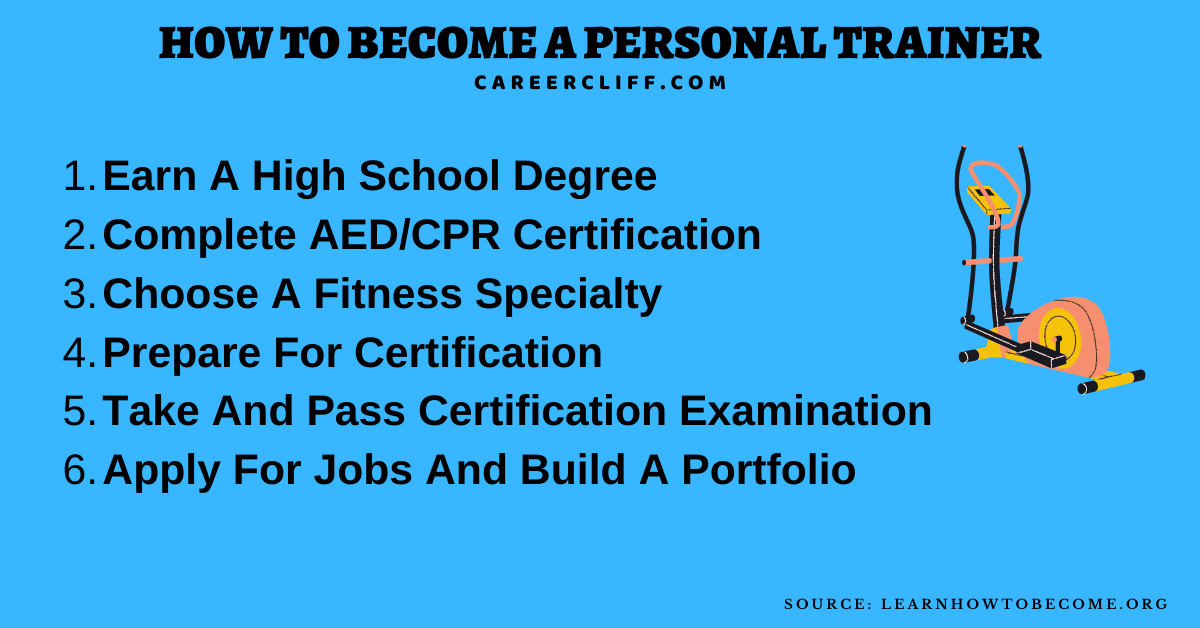
Before embarking on an accreditation course, certain prerequisites are universally mandated by all professional certifying bodies. Prospective applicants must be at least 18 years old and hold certification in CPR and AED delivery—an essential skill set that can be acquired through community education programs or local Red Cross chapters. Furthermore, possessing a high school diploma or GED is a prerequisite stipulated by nearly all certifying organizations. These foundational requirements serve as the bedrock upon which aspiring personal trainers build their journey toward accreditation and professional excellence.
17. Fostering Long-Term Relationships: The Key to Client Retention
In the realm of personal training, acquiring clients is merely the first step; the true challenge lies in fostering enduring relationships that span the test of time. Retaining clients over the long haul is not just a matter of financial prudence—it’s a testament to your ability to forge genuine connections and deliver tangible results. Establishing rapport with your patrons entails delving beyond surface-level interactions and delving into their lifestyles, limitations, and motivations. By empathetically placing yourself in their shoes, you can craft personalized programs that resonate with their aspirations and provide a roadmap to success.
18. Leveraging Social Media: Amplifying Your Reach
While promoting your services may seem intuitive, the intricacies of marketing pose a formidable challenge for many business owners. While outsourcing this task to a third party may seem appealing, financial constraints often necessitate a hands-on approach, especially in the nascent stages of your venture. Fortunately, the advent of online advertising has democratized the landscape, rendering traditional methods obsolete. Gone are the days of exorbitant agency fees; today, you can leverage the power of social media to amplify your reach and cultivate a loyal following.
By acquainting yourself with the nuances of social media marketing, you can establish an online presence that engenders trust and credibility among potential clients. However, it’s crucial to eschew the temptation of overt self-promotion. Instead, focus on providing valuable, actionable insights that showcase your expertise and demonstrate your commitment to the well-being of your audience. Through authentic engagement and the dissemination of valuable content, you can position yourself as a trusted authority in your field and cultivate a dedicated community of followers.
The Pros Of Being A Personal Trainer
- Entrepreneurship: As a personal trainer, you have the opportunity to run your own business. Whether you choose to work independently or in a gym, you have the freedom to structure your business according to your preferences and goals. Online marketing can be a powerful tool for attracting clients and growing your business.
- Working with People: Personal training is all about building relationships with clients. By understanding their needs and goals, you can create customized fitness programs that help them achieve success. If you enjoy connecting with people and making a positive impact on their lives, this role offers plenty of opportunities for meaningful interactions.
- Rewarding: Many personal trainers find fulfillment in helping others improve their health and fitness. By guiding clients towards their goals and witnessing their progress, you can experience a sense of satisfaction and accomplishment. Making a difference in someone’s life through fitness can be incredibly rewarding.
- Flexible Working Hours: Unlike traditional 9-5 jobs, personal training offers flexibility in scheduling. You can choose to work early mornings, during the day, or in the evenings and weekends, depending on your availability and preferences. This flexibility is ideal for individuals balancing other commitments, such as caring for children or elderly relatives.
- Variety: Every client is unique, and as a personal trainer, you’ll encounter a diverse range of individuals with different fitness levels, goals, and challenges. This variety keeps your work engaging and allows you to continuously adapt and learn as you tailor programs to meet each client’s specific needs.
- Opportunities for Growth: Personal training can serve as a stepping stone to other opportunities within the fitness industry. Whether you choose to expand your business, train other personal trainers, or pursue additional certifications, there are numerous avenues for professional growth and advancement. Personal training offers a dynamic career path with the potential for long-term success and fulfillment.
The Cons Of Being A Personal Trainer
- Intense Competition: The field of personal training is highly competitive, with many individuals vying for clients and opportunities. Success as a personal trainer requires dedication, hard work, and continuous self-improvement. Additionally, the physical demands of the job can take a toll on your body, requiring proper self-care and injury prevention strategies.
- Uncertain Income: Unlike traditional employment with a fixed salary, personal trainers often face fluctuations in income. Clients may cancel appointments or gyms may change their schedules, affecting your earnings unpredictably. This variability can make financial planning challenging and require you to maintain a flexible budget.
- Business Management: As a personal trainer, you are essentially running your own business. This means you need to possess not only fitness expertise but also business acumen. Marketing yourself, attracting and retaining clients, and managing finances are all essential aspects of the job. You’ll need to invest time and effort into promoting your services and ensuring client satisfaction to sustain and grow your business. How AI, ChatGPT maximizes earnings of many people in minutes
- Client Retention: Building a client base and retaining clients requires more than just delivering effective workouts. You must also provide exceptional customer service, establish rapport, and continually demonstrate value to your clients. Competition from other trainers and fitness options means you’ll need to work hard to keep your clients engaged and committed to your services.
- Continuous Learning: The fitness industry is dynamic, with new trends, research, and techniques emerging regularly. To stay competitive and provide the best service to your clients, you’ll need to commit to ongoing learning and professional development. This may involve obtaining additional certifications, attending workshops or conferences, and staying informed about industry developments.
- Physical and Emotional Demands: Personal training can be physically demanding, requiring you to demonstrate exercises, spot clients, and maintain energy and enthusiasm throughout sessions. Additionally, you may encounter clients with various emotional and psychological needs, requiring empathy, patience, and effective communication skills.
- Work-Life Balance: Balancing work commitments with personal life can be challenging as a personal trainer. Irregular hours, including early mornings, evenings, and weekends, may impact your ability to spend time with family and friends or pursue hobbies and interests outside of work. It’s important to establish boundaries and prioritize self-care to maintain a healthy work-life balance.
More Interesting Articles